Sticking or Unresponsive Keys
Keys that do not return or respond consistently may indicate a mechanical issue.

Piano Services in Singapore
From regular tuning and cleaning to detailed maintenance and repairs, discover the services that help keep your piano performing beautifully.
Our Services
Acoustic pianos are precision instruments that respond to changes in humidity, temperature, usage, and time.
Regular servicing helps maintain tonal quality, consistent touch, and the condition of essential internal components.
As an experienced piano tuner and technician in Singapore, Just Piano Services provides professional care tailored to the needs of each instrument.

Bring Every Note Back into Harmony.
Over time, a piano’s strings can shift in tension due to environmental changes, natural settling, and regular playing.
Professional piano tuning carefully adjusts string tension to restore the correct musical relationships between notes, producing a more balanced and harmonious sound.
Whether you own an upright piano or a grand piano, regular tuning is an important part of maintaining its sound quality.
Many household pianos benefit from tuning approximately twice a year, although the ideal frequency depends on usage, condition, and environmental stability.

 Before
After
Before
After
Demonstration images for illustration only — not photographs of completed work.
Care That Goes Beyond the Surface.
Over time, dust, debris, and other contaminants can accumulate inside a piano, particularly around its strings, hammers, felt components, and action mechanism.
In Singapore’s humid climate, careful piano maintenance is especially important.
Professional piano cleaning helps address accumulated dirt and allows the instrument’s internal condition to be inspected more closely.
Cleaning methods depend on the piano’s construction, age, condition, and accessibility of its internal components. A technician can assess the appropriate cleaning procedure.
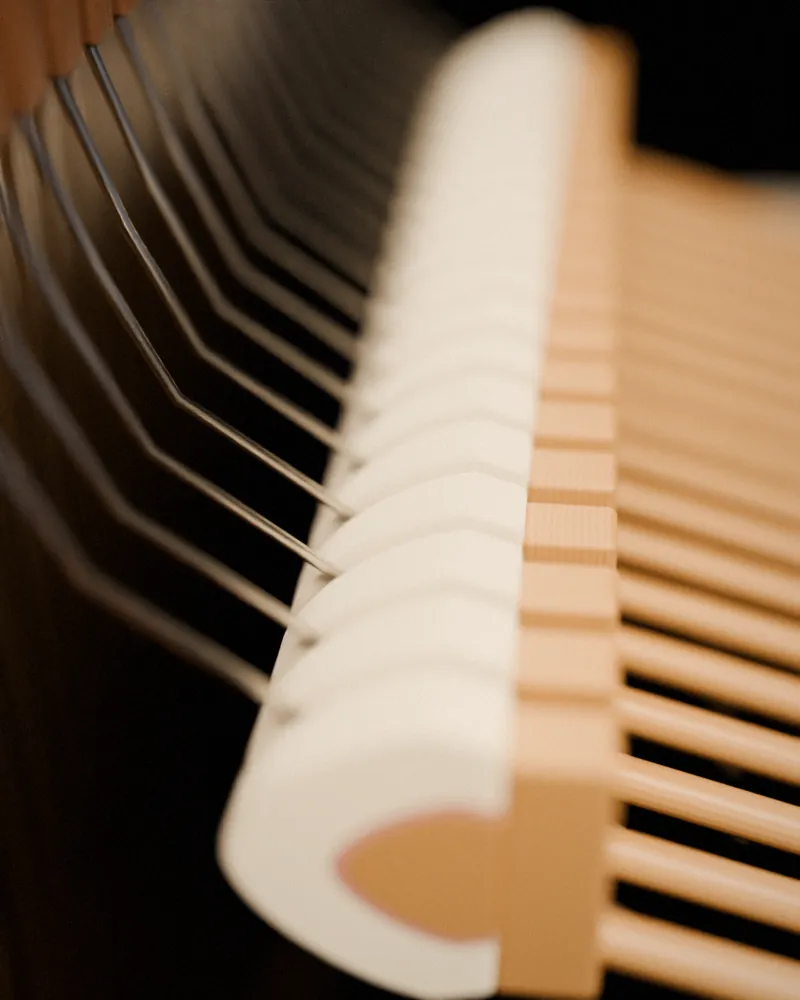
Restoring the Feel and Performance of Your Piano.
Pianos contain thousands of intricate parts that work together to translate each keystroke into sound.
Over time, mechanical wear, environmental changes, or damaged components can affect how an instrument responds.
Professional piano repair begins with identifying the underlying issue and recommending the appropriate corrective work.
Keys that do not return or respond consistently may indicate a mechanical issue.
Buzzing, clicking, or rattling sounds may require inspection.
Pedals that feel inconsistent or fail to operate correctly may need adjustment or repair.
A piano technician can inspect damaged parts and recommend suitable repair options.
These are examples of issues that can be assessed. The right repair depends on what the inspection finds.
Enquire About Piano RepairPrecision You Can Feel.
Piano regulation involves making adjustments to the mechanical action of a piano so that its keys, hammers, and associated components respond consistently.
With time and repeated use, these mechanisms may fall out of adjustment, affecting the playing experience.
Regulation helps improve touch consistency, responsiveness, and mechanical performance.
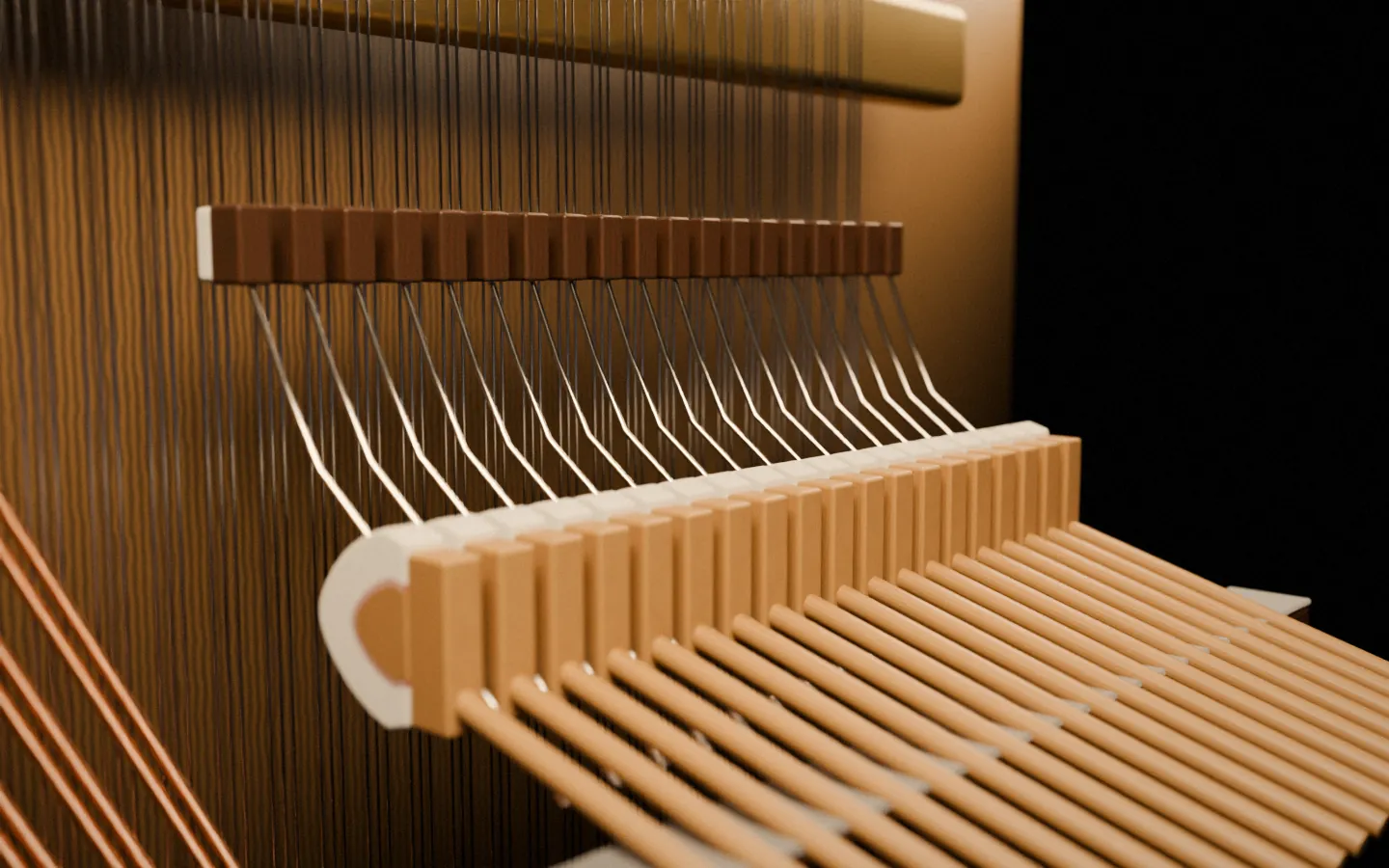

Understand What Your Piano Really Needs.
Not every piano requires the same level of maintenance.
A professional assessment helps identify the instrument’s current condition, potential mechanical concerns, and suitable servicing requirements.
At Just Piano Services, our philosophy is to recommend work based on the actual needs of your piano rather than unnecessary repairs or maintenance.
The exact scope of an assessment depends on your booking. Let us know what you need when you get in touch.
FAQ
Something not covered here? Send a message and we’ll get back to you.
Piano tuning is S$100 for an upright piano and S$140 for a grand piano. For cleaning, repair, regulation or other servicing, send us a message describing your piano and we’ll provide a quotation.
Many pianos benefit from tuning approximately every six months. However, the ideal schedule depends on the instrument’s condition, usage, and environment.
Your piano likely needs tuning if it sounds off-key, if chords sound dissonant, or if it hasn’t been tuned in over six months.
Going without regular tuning can lead to greater pitch instability and increased wear on the instrument, and over time it can contribute to longer-term problems with the strings and structure.
A piano can technically go a few years without tuning, but this isn’t recommended. The longer it goes, the harder it becomes to bring back to proper pitch.
Yes. Many older pianos can still be tuned, but a piano left for 20 years may need several tunings and additional repairs to restore it fully. Its condition should be assessed first.
Sticking keys, unusual noises, inconsistent touch, or problems with the pedals can indicate that your piano requires professional inspection.
Dust and debris can accumulate inside a piano over time. Appropriate cleaning and maintenance help preserve its internal condition and provide opportunities to identify developing issues.
Yes. Just Piano Services has experience with both upright and grand acoustic pianos.
Book a Service
Whether you need routine tuning, thorough cleaning, or professional repair, our experienced piano technician is here to help.
Monday–Friday, 9:30 AM–4:00 PM